
Celebrating Our 2026 Fellows
We are thrilled to celebrate the recipient cohort of the 2026 Upstate Individual Artists Fellowship. Selected through a rigorous, community-informed three-round review process, these exceptional artists and culture bearers represent the vibrant creative spirit, rich cultural diversity, and geographic breadth of our region. Designed as unrestricted support, this fellowship honors their dedication to their craft, uplifts their artistic vision, and invests in the transformative power of arts and culture across our communities. Explore their profiles below to learn more about their work and creative practices.
Emerging Artist Fellows
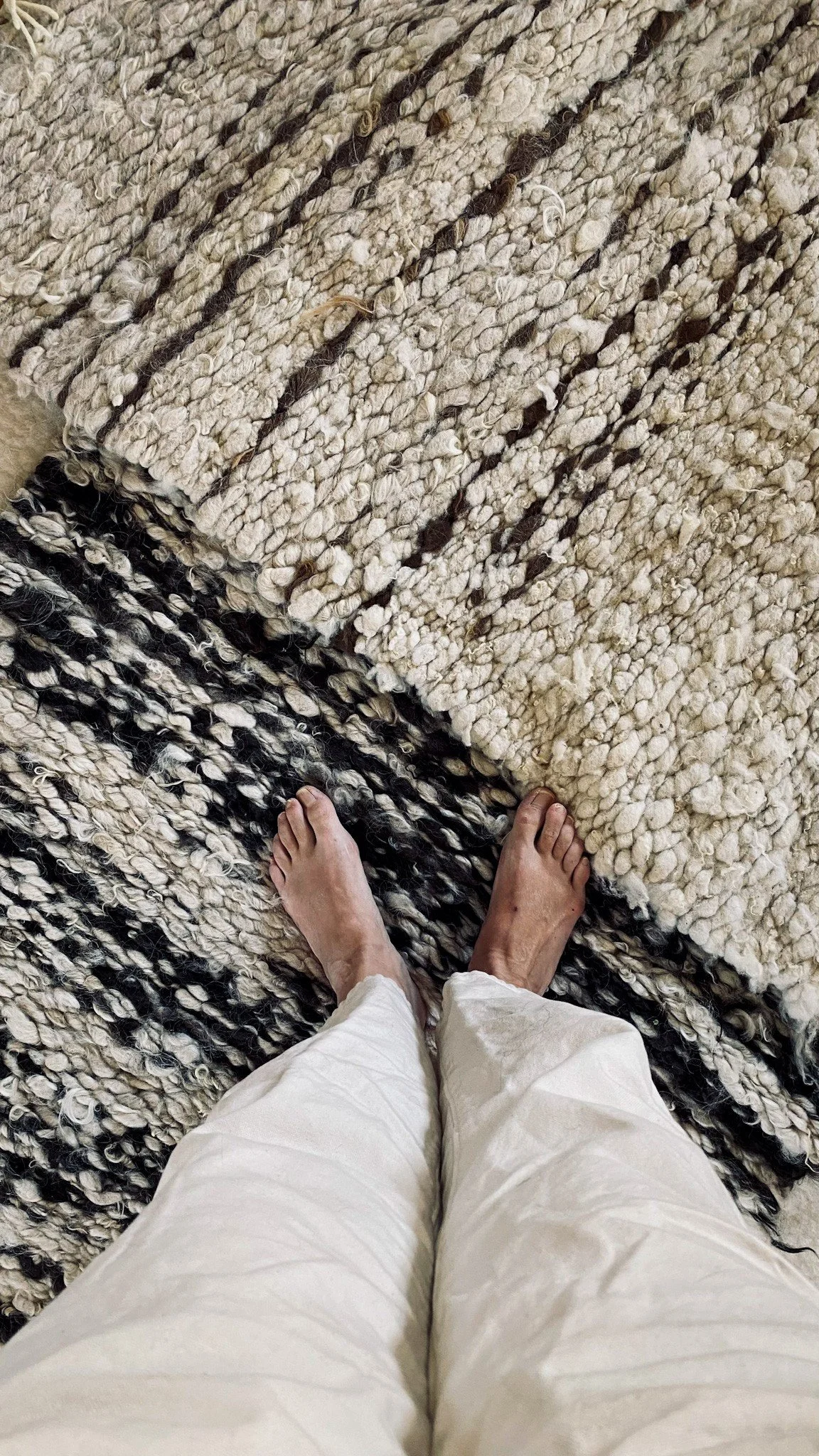
After studying photography, collaborative design, and French tapestry weaving, Adrienne (she/her) now prefers to work with traditionally vernacular textile techniques, and very tight constraints to express complex stories in the simplest way possible, choosing a tactile experience to supersede an image based one. As an extension and support of her studio practice, Adrienne teaches traditional fiber arts including weaving, wet felting, natural dyeing (including growing her own dyes), knitting, crocheting, and sewing, and runs a shop/maker’s space (Warner Mountain Weavers) supplying locally sourced materials and an open studio to fiber artists in Northern California. In addition, Adrienne has also started “The Staircase,” a small gallery showcasing local fiber artists, and “The Longer Table Collective” whose goal is to collaborate and share art skills with one another and the greater community.
Adrienne Johnson
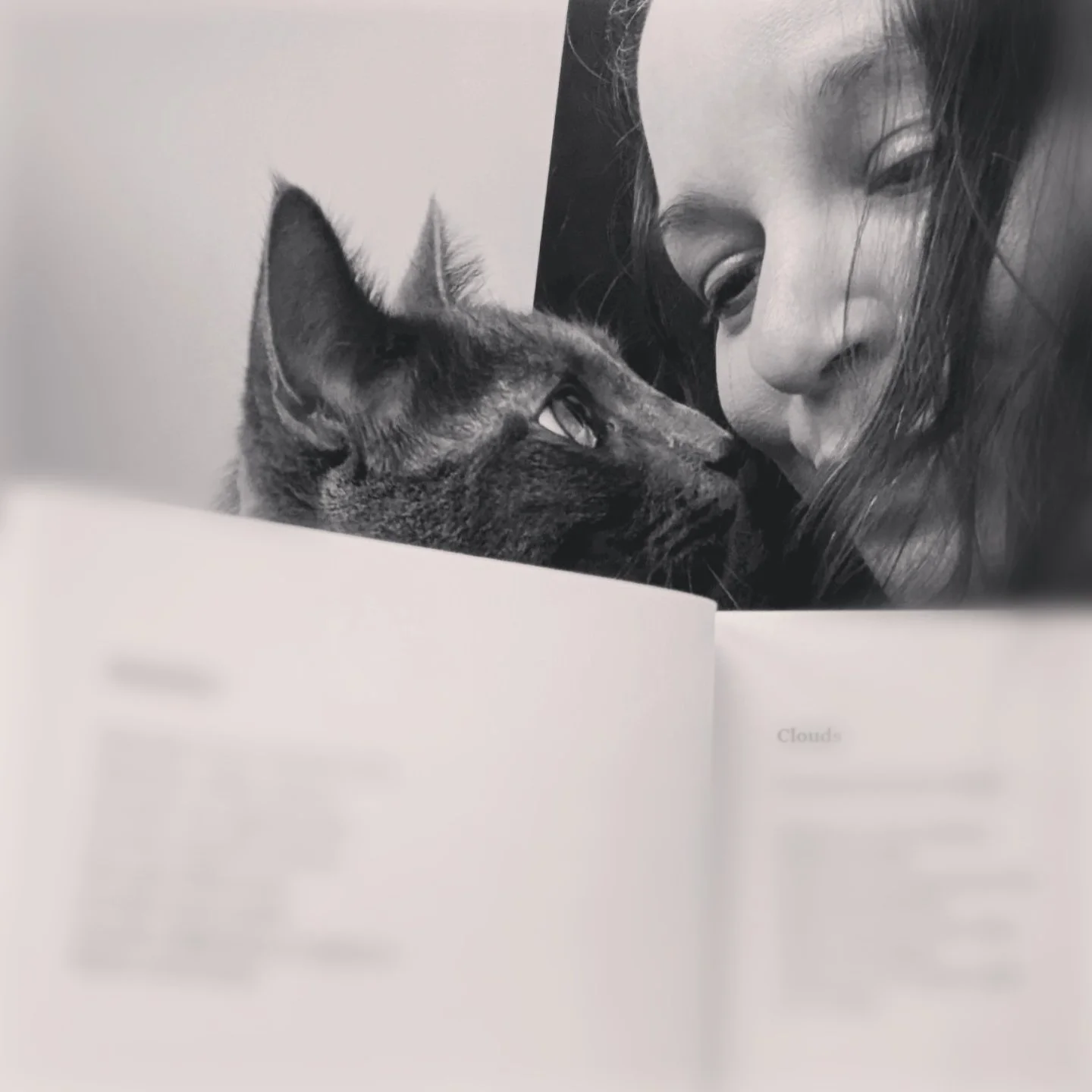
Beste Filiz (she/her) was born in Istanbul, a city where two continents meet. She was a child asylum seeker and refugee at three years old when her family was forced to flee Türkiye to London, England. She is now a Turkish-British-American writer for young people. She received her MFA in Writing for Children and Young Adults from Hamline University in 2025. She is a recipient of the 2023 Walter Dean Myers Grant from We Need Diverse Books and a mentee in the 2025 We Need Diverse Books Mentorship Program. Beste received a fellowship from the Center of Arts and Social and Justice at the Vermont College of Fine Arts. She has received scholarships from Lambda Literary and Tin House. Beste was a writer in residence at Storyknife. She lives in Northern California with her non-binary partner and three cats.
Beste Filiz
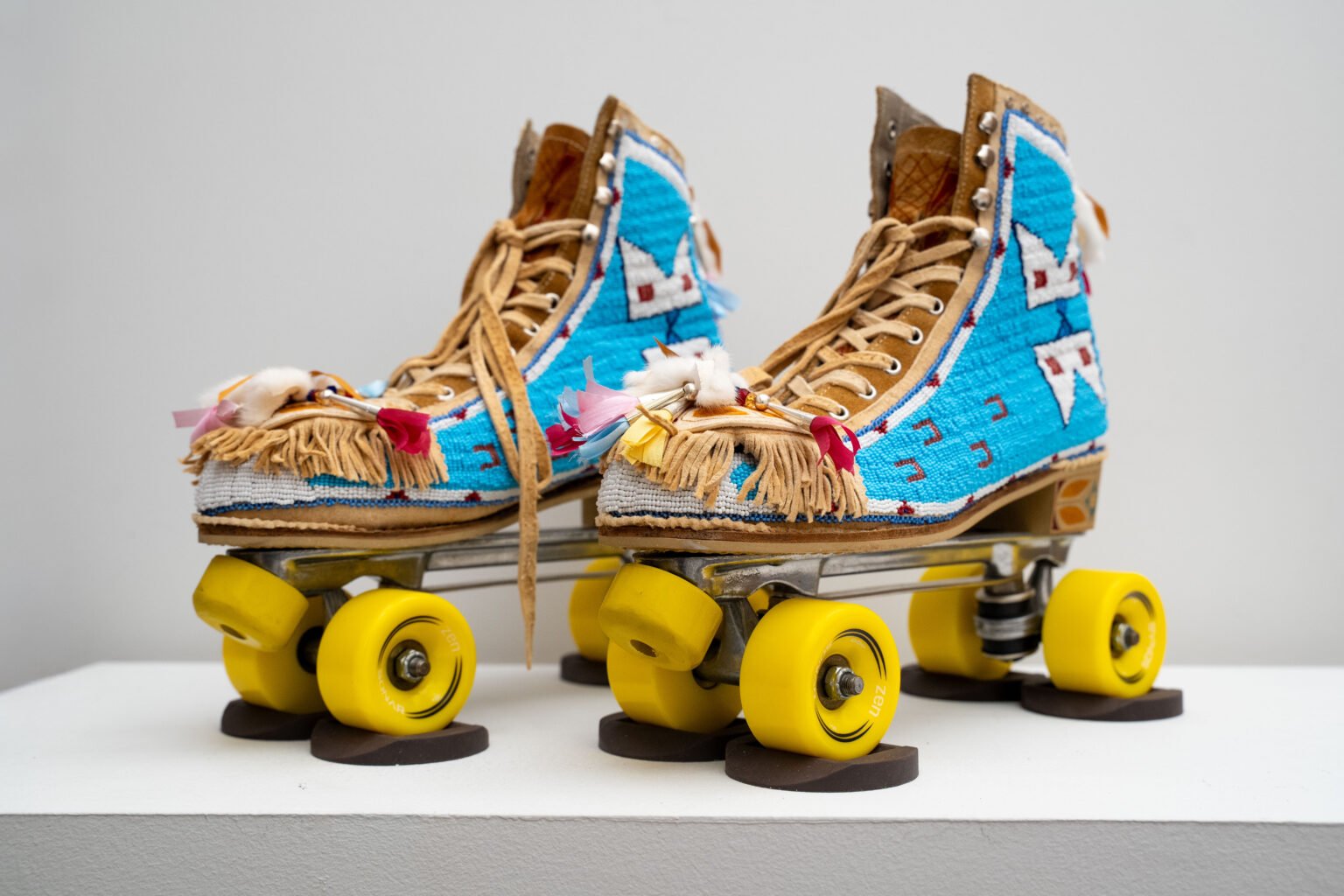
Camryn Ahhaitty Growing Thunder (Dakota/Nakoda/Kiowa/Comanche) is an award-winning queer artist from the Fort Peck Reservation in Montana. Growing Thunder (she/her, they/them) learned traditional beadwork and quillwork while growing up with her mother and grandmother in Northern California. She attended The Institute of American Indian Arts, where she received her BFA with honors in studio arts and is now pursuing her MFA in CalArts-School of Art. Growing Thunder’s body of work combines traditional and contemporary practices to create Indigenous fashion accessories and multi-media paintings. She first began building her career after winning a Best of Classification at Santa Fe Indian Market in 2017 for her first contemporary parfleche handbag. Growing Thunder has since gone on to show her interdisciplinary work in group exhibitions like The Armor We Wear in Albuquerque, NM. Growing Thunder's work is in the permanent collections at the Joslyn Art Museum in Ohama, Nebraska.
Camryn Growing Thunder
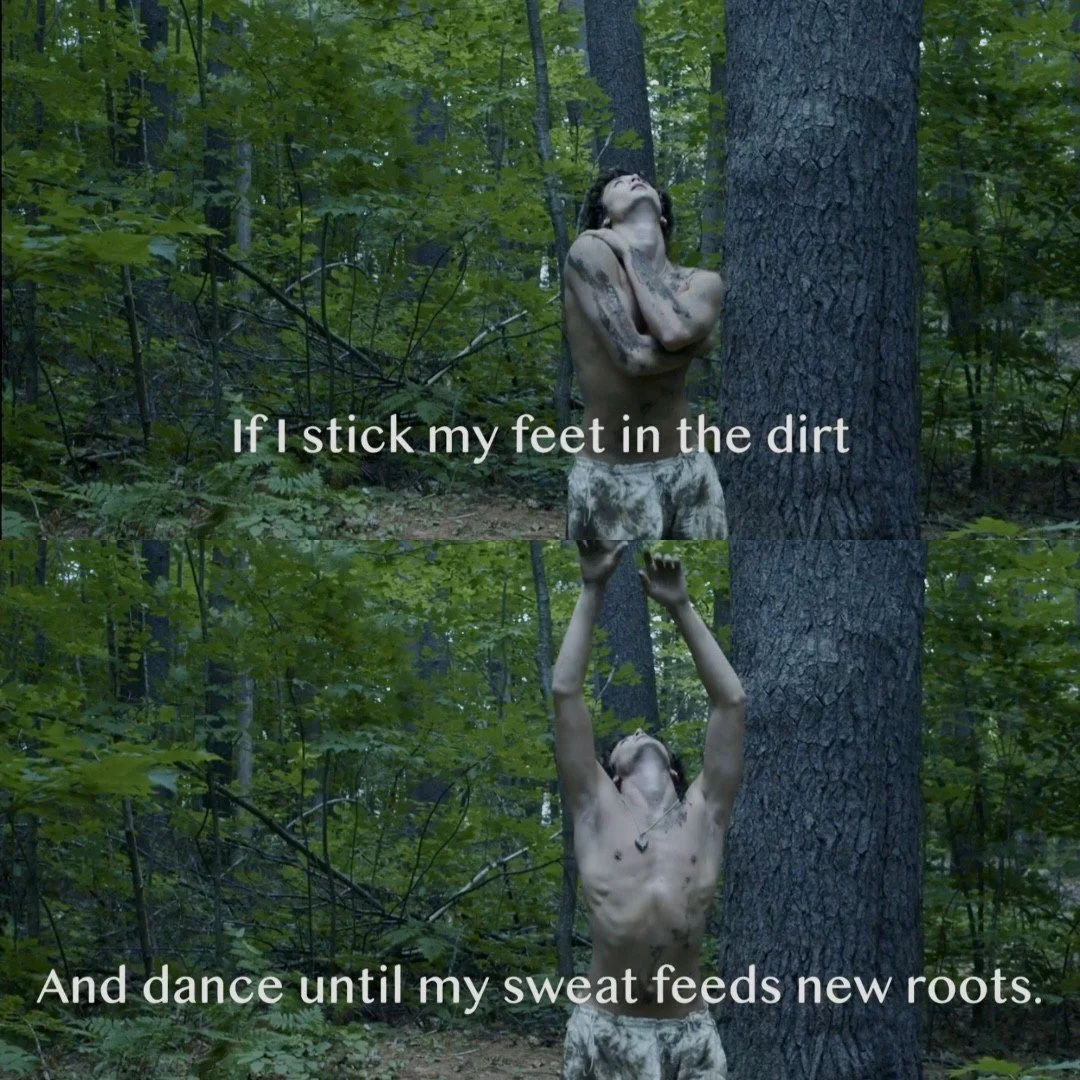
Quinn Wynacht (they/them) is a recent graduate from UCLA, where they earned a B.A. in Dance and a B.S. in Environmental Science, graduating magna cum laude. A dancer, artist, fashionista, environmentalist, and music lover, Quinn creates work at the intersection of movement, style, and sound, centering queer embodiment, human connection with nature, and bold expression through fashion.
Quinn has presented performance and film work through UCLA and beyond, including their dance film Alive Again, an official selection in the Heidi Duckler Dance 4D Film Festival and the Artichoke Dance EcoArts Festival in NYC.
In their role as President and Modeling Director of FASTatUCLA, Quinn acted as a visionary leader of the 300-member organization, producing large-scale runway shows (1000+ attendees), editorial campaigns, and a 200-page magazine.
Quinn Wynacht
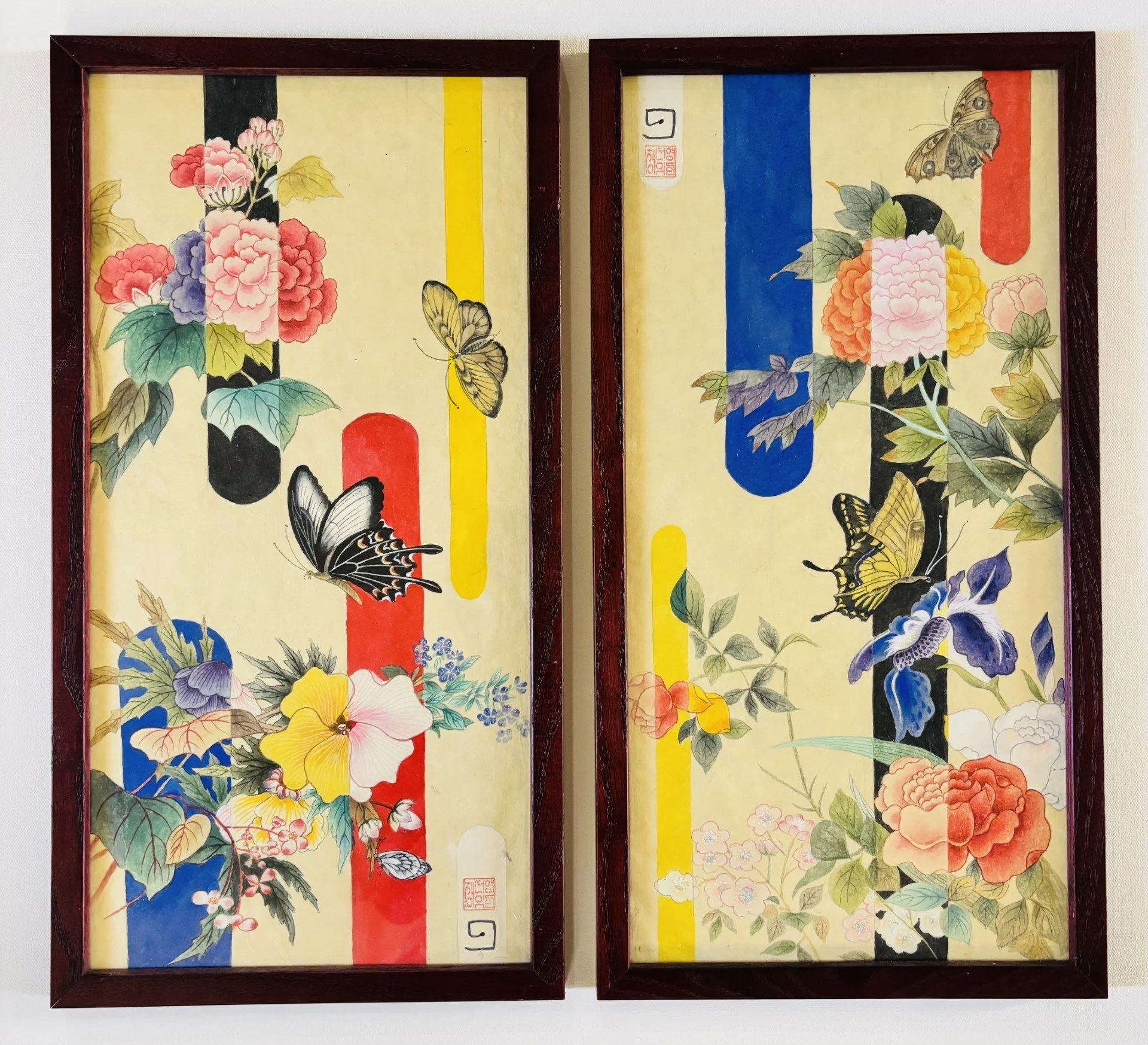
Born and educated in South Korea, Seon-Young Jeong (she/her) brings the tradition of Minhwa to Northern California. Her contemporary style reexamines the symbolic imagery of the Joseon Dynasty’s folk painting traditions. She applies ink and natural pigments to hanji, Korean mulberry paper. Her process preserves the flattened space, decorative rhythm, and layered symbolism characteristic of Minhwa while expanding its conceptual possibilities.
For nearly a decade, she has taught this art form in California. Through community-based workshops, she introduces traditional techniques to students of diverse backgrounds, fostering cross-cultural dialogue through shared artistic practice. Her teaching serves as a platform for meaningful cultural exchange and mutual understanding.
Her recent work explores the relationships and connections that give life its deepest meaning — the bonds with those around us, and the invisible threads between self and other that shape who we are.
Seon-Young Jeong
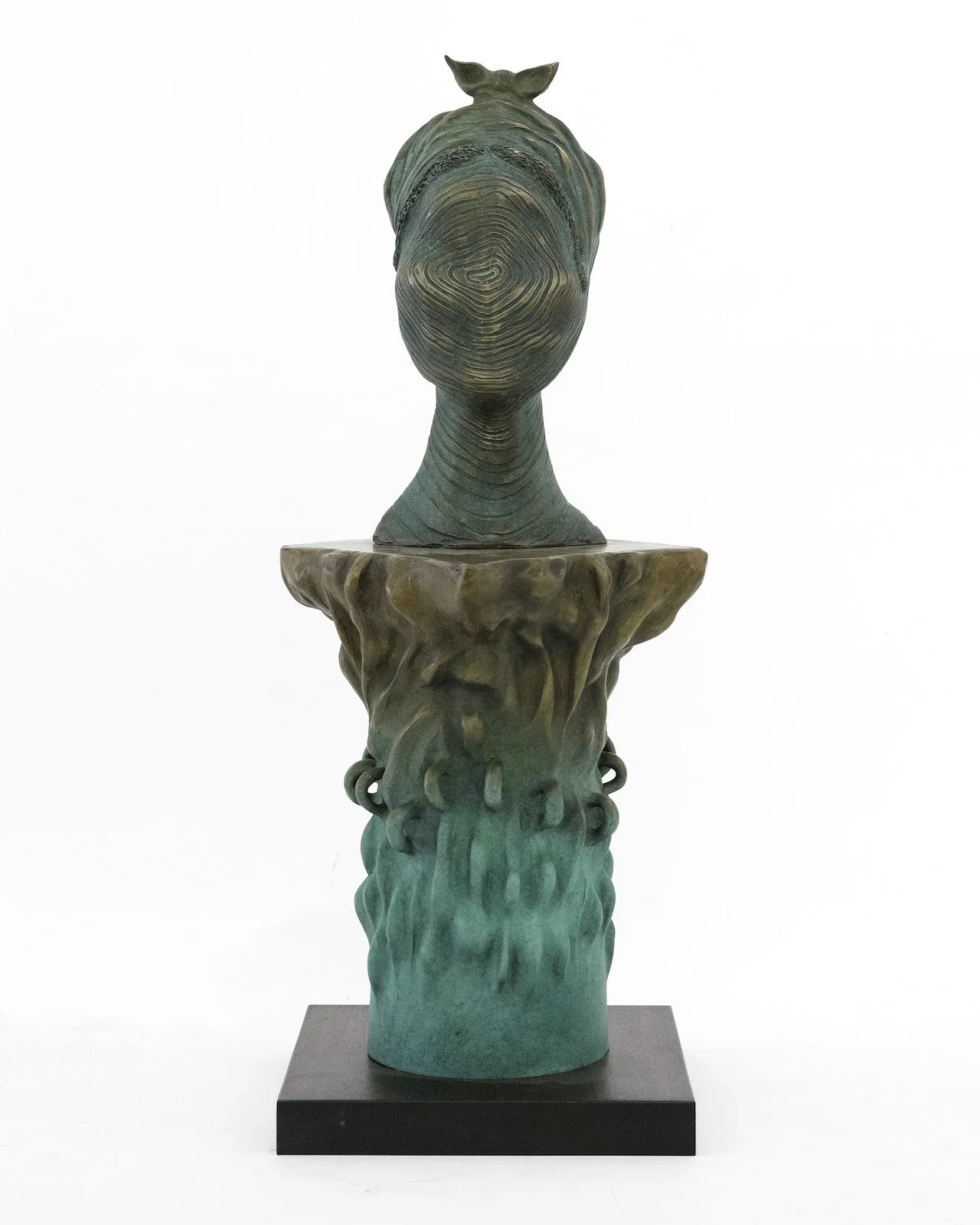
Yétúndé Ọlágbajú (they/them) is a Yoruba/Gullah-Geeche socially-engaged artist, adorner, and cultural organizer living on unceded Kashia Pomo lands. Their work begins with a guiding question: what must we reckon with as we build a future together? Moving without fixed answers, Ọlágbajú traces the intricate, evolving ties that bind us—the ecological, familial, and societal —attending to how these relationships are reshaped through processes of reckoning.
Grounded in the divine and the everyday within the African diaspora, their work moves across sonic, sculptural, poetic, and collaborative forms, opening space for possibility in the wake of rupture. Their social practice includes founding and participating in artist- and practitioner-led collectives, all rooted in liberatory visions.
A graduate of Mills College, they have received support from Headlands Center for the Arts, Foundation for Contemporary Arts, and Los Angeles Contemporary Exhibitions. They are the founder of Àjìjà Space, stewarding networks of Black land-based practitioners across Northern California.
yétúndé ọlágbajú
Established Artist Fellows
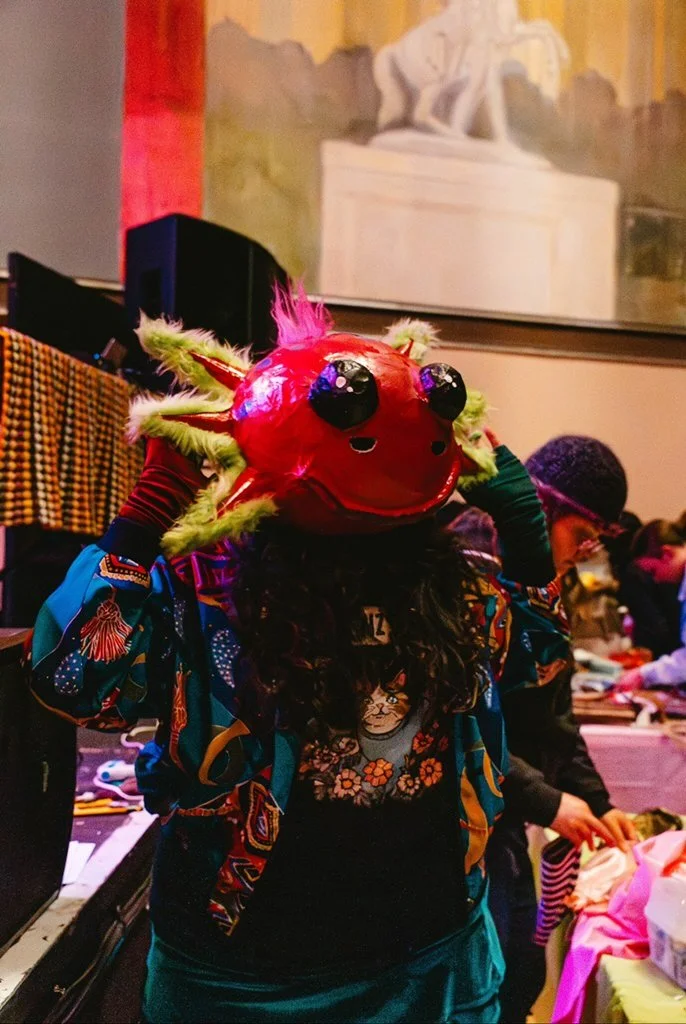
Denise Hernandez (she/her) is paleontologist specializing in fossil plants, passionate about science communication through animation blending art and science. Worked at UNAM Institute of Geology (2011–2018) as an editor. Independently created the award-winning 2D animation “Extraterrestre,” exhibited at UNAM’s Museum of Science; touring Latin America, Europe, Asia, and the U.S. as director, producer, and animator. Her work combines multimedia art—animation and installations—to inspire hope, challenge norms, and navigate late capitalism's complexities, fostering a more soulful future. Since 2020, she’s collaborated with grassroots groups in Humboldt County, California, on environmental and cultural projects focused on BIPOC, LGBTQ+, immigrant, neurodivergent, and disabled communities. She also initiated Color Maíz workshops funded by Upstate California Creative Corps. Her focus is on building community-driven frameworks that validate diverse knowledge, support professional growth, and cultivate future leaders. As an Indigenous Latinx eco-feminist, she created Chica Masa, an avatar that represents migrant and Indigenous voices.
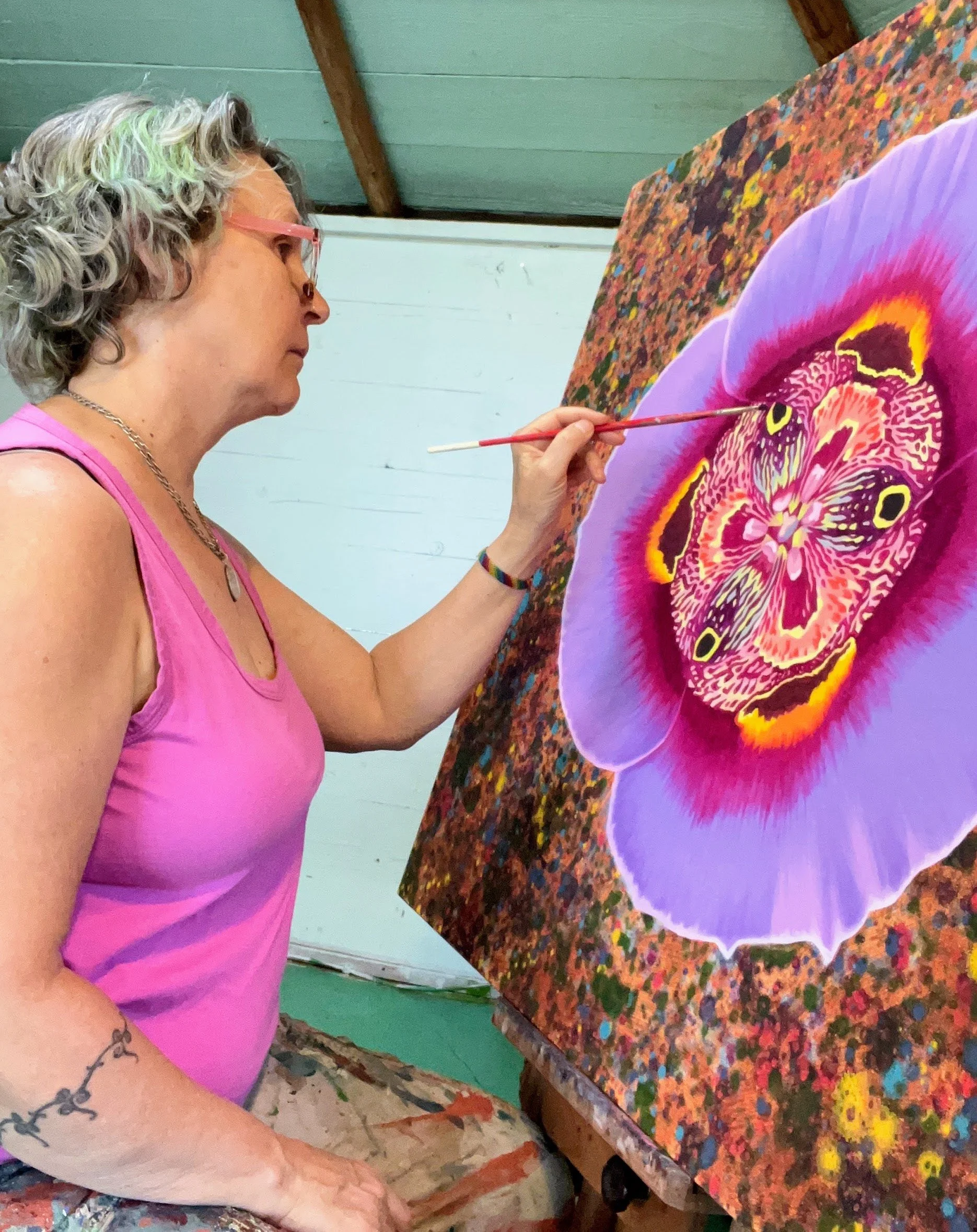
Jennifer Rain Crosby (she/her) is an interdisciplinary artist who has lived on the San Juan Ridge in Nevada County, California, for fifty-one years. She moved from Nebraska in 1975 as a child of the back-to-the-land movement and trained informally among the Ridge's artists. Her work spans oil painting, illustration, ceramics, murals, and writing, with the Yuba watershed and its inhabitants as her recurring subject. Jennifer has exhibited in 60+ art shows and sold hundreds of artworks from the Bay Area to the Sierra foothills. She is best known for designing and illustrating the twelve hand-embroidered tapestries of the San Juan Ridge Tapestry Project (2006–2022), a designated Nevada County Historical Resource. The tapestries are the subject of the documentary "A Radical Thread" and a forthcoming book. She has illustrated children's books, campaigns for the South Yuba River Citizens League, and works with the Nisenan Tribe to support visibility and cultural reparations.
Julia Park Tracey (she/her) is an award-winning journalist, poet, author. She has been blogging since 2003; recognized by the Calif. Newspaper Publishers Assn. and by her journalist peers for her reporting. She penned op-eds about justice, hunger, housing, splintered families, and single mothers. A staunch feminist, she is the author of six novels, two women's history compilations and a collection of poetry. She was Poet Laureate of Alameda, CA, from 2014-2017, leading children, teens and elders in writing and hearing poetry. She has volunteered for her communities’ historical preservation, unrepresented voices, supported local elections and led environmental cleanup (Alameda Naval Air Station, Russian River). Julia’s varied writing brings hungry children and struggling single mothers to life, and upholds a clean, safe environment for all as her standard. A member of the LGBTQ community, champion of immigrants, relentless eco-warrior and peacemaker, Julia is a stand for women’s voices in all she does.
Denise Hernandez
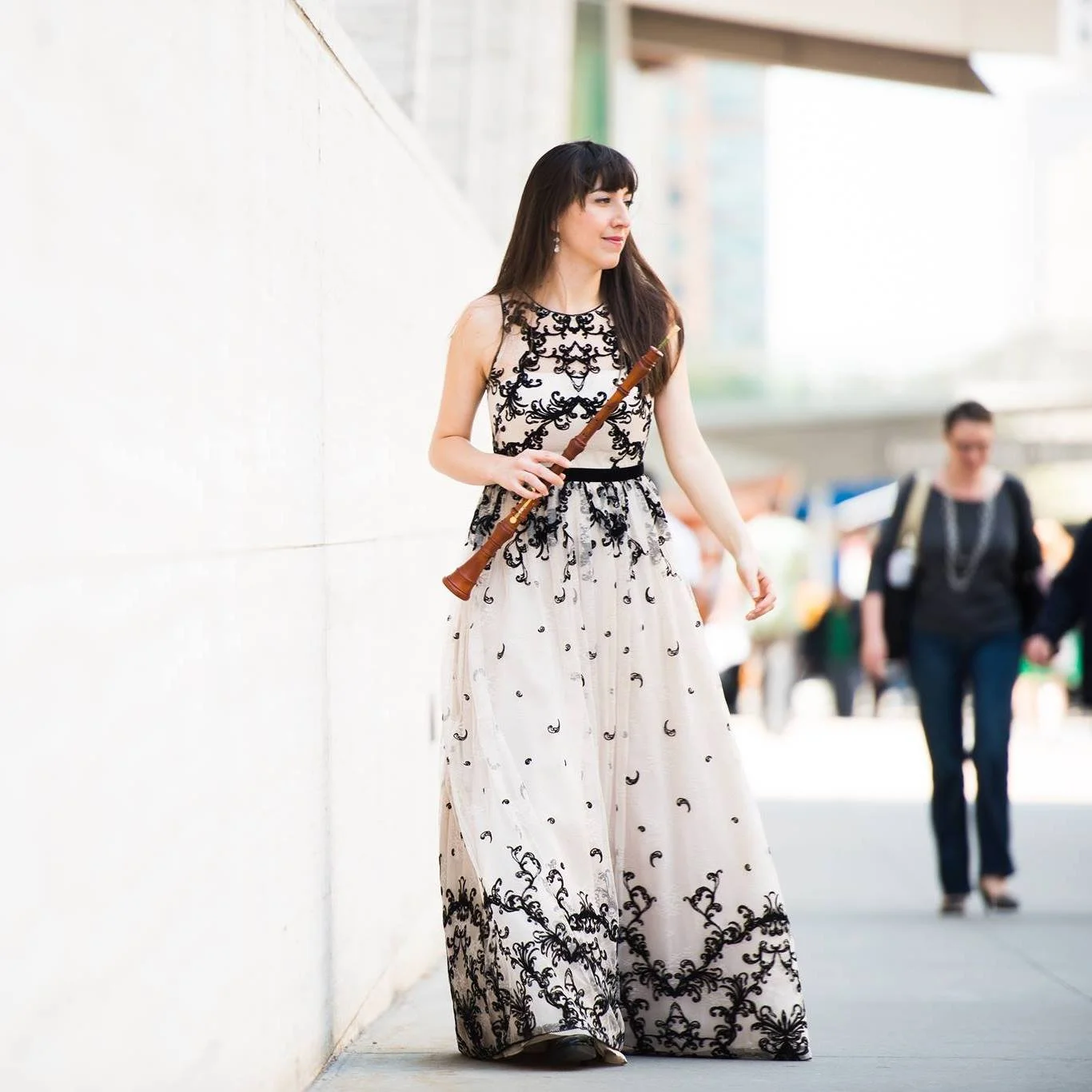
Lindsay McIntosh (she/her) is a Juilliard-trained oboist, arts leader, and founder of Musica Sierra, dedicated to expanding access to high-level music education and performance in rural Northern California. A specialist in historical performance, she has studied and performed with internationally renowned artists and ensembles, and has built a career bridging classical excellence with innovative, community-centered work. As Executive Director of Musica Sierra, she has led the restoration of music education across Sierra County schools and developed the Musical Field Journal, an interdisciplinary program integrating music, ecology, and social-emotional learning. Her work has reached thousands of students across underserved regions, creating meaningful pathways for young musicians to engage in the arts. In recognition of her leadership and impact, she has been honored by Kevin Kiley for her inspiring contributions to arts education and rural community development.
Lindsay McIntosh
Jennifer Rain Crosby
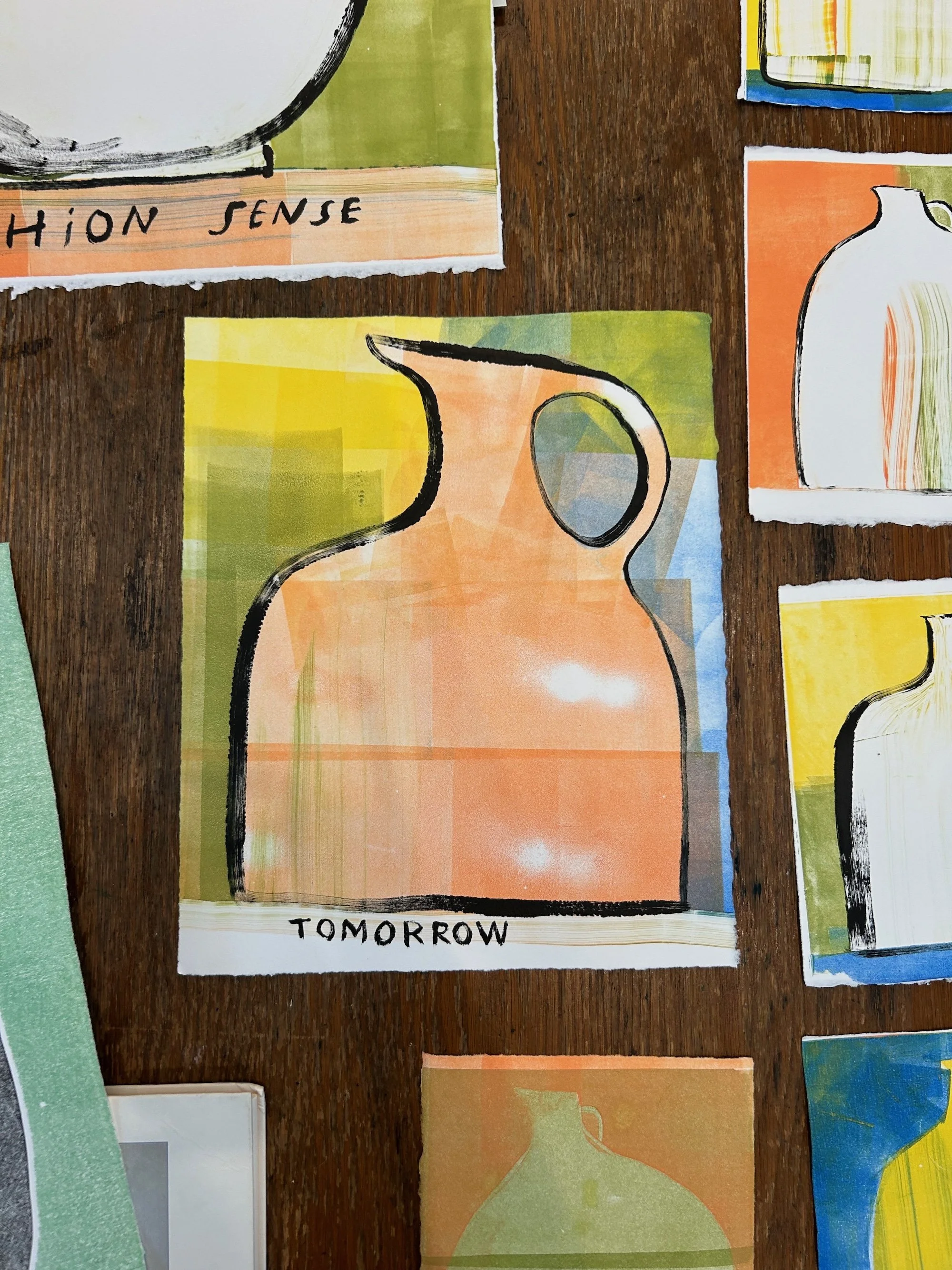
LK James (she/her) is an artist, printmaker, and arts publisher based in Colusa, California. Her work draws on common sources of joy—food, music, nature, and everyday objects—as a connective force across class, culture, and age. Her practice is rooted in drawing, material exploration, and publication, and reflects the familiar, the absurd, and the unalgorithmic in everyday life. She makes artist publications under her imprint, Slow Burn Books, and co-produces “Paper Choir,” a quarterly collaborative print publication. She is the co-founder of Salmon Bend Art Studios, an artist-run gallery in rural Colusa County, and recently served as the Director of Programs for the Colusa County Arts Council. She holds an MFA in Applied Craft + Design from the Pacific Northwest College of Art and teaches risograph and publication workshops across Colusa and Sacramento Counties.
LK James
Julia Park Tracey
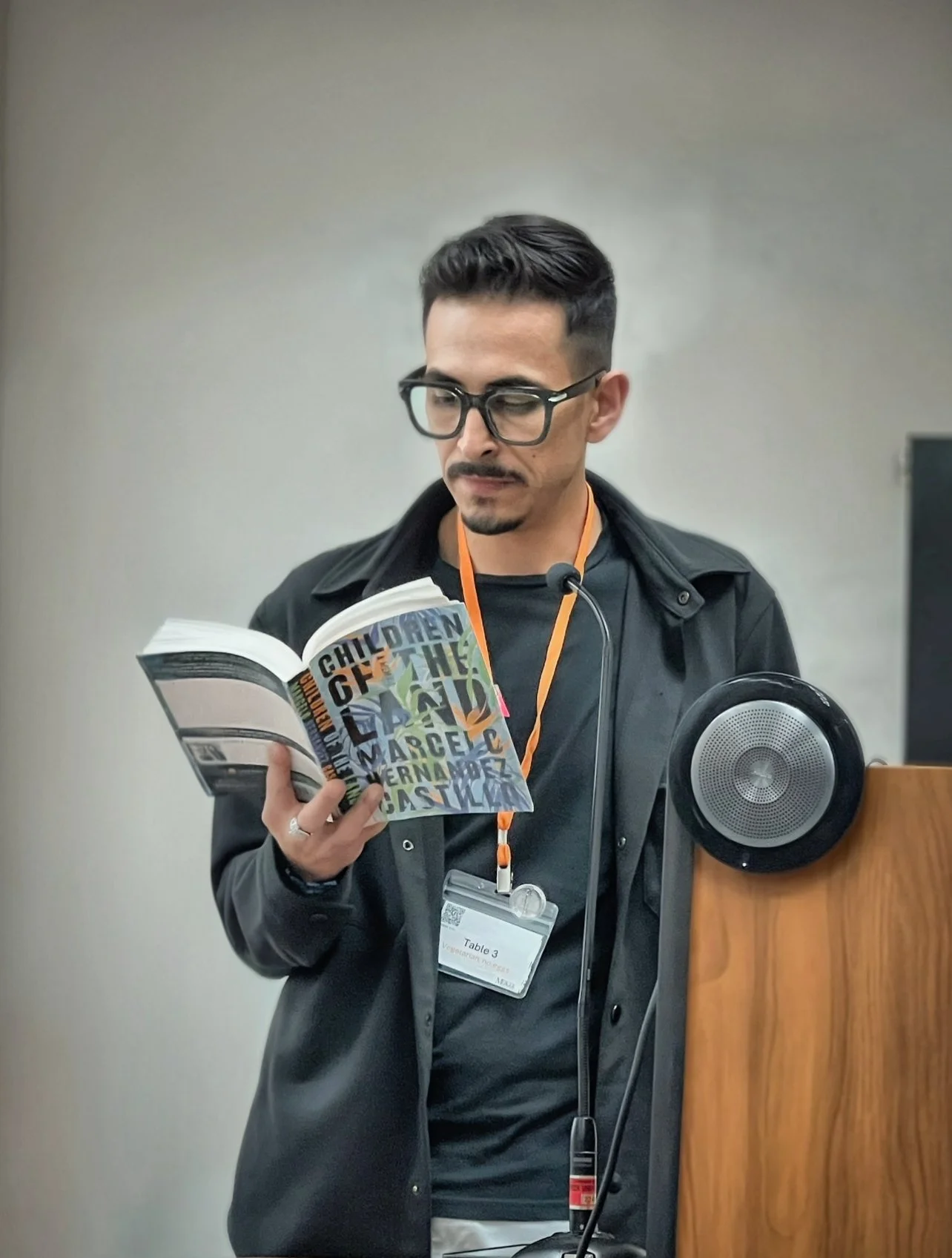
Marcelo Hernandez Castillo (he/him) writes toward the place of his birth, Mexico, from the place of his home, the California Central Valley. He is the author of Children of the Land (Harper Collins), Cenzontle (BOA Editions), Dulce (Northwestern University Press), and is the co-editor of Here to Stay: Poetry and Prose from the Undocumented Diaspora (Harper Perennial). He is a founding member of the Undocupoets, which eliminated citizenship requirements from all major poetry book prizes in the U.S. He served as a distinguished fellow for the Marshall Project’s Art For Justice initiative from the University of Arizona, which advocates for prison reform, and received the Writing Freedom Fellowship from Haymarket Books and the Mellon Foundation. He was the first undocumented student to graduate from the Helen Zell Writers Program at the University of Michigan. His new project is a collection of poems that explores the disjunctions between art and data. Image Credit: Lizbeth De La Cruz Santana
Marcelo Hernandez Castillo
Legacy Artist Fellows
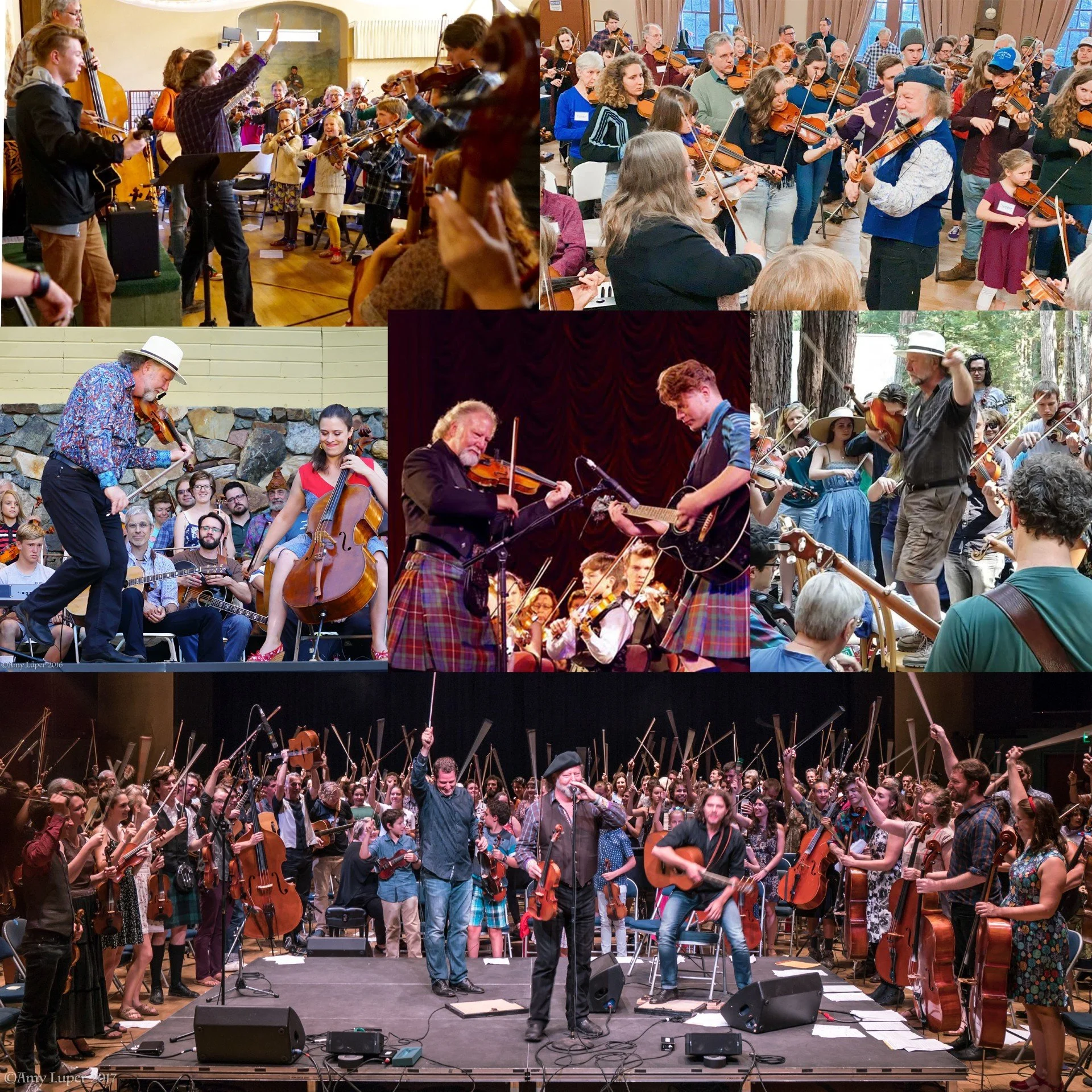
Master fiddler Alasdair Fraser (he/him) gained recognition in his native Scotland after winning the National Gaelic Mod competition while in his teens, leading to numerous cameo performances on BBC television and radio, and concert tours across Europe, the former Soviet Union, and North America.
Having moved to northern California in 1981, he found a resonant interest in the music of his homeland, and took a leap of faith, quitting his corporate job to become a full time professional musician. Through his extensive recordings, annual fiddle courses he founded on three continents, and an intensive concert career spanning five decades, Alasdair earned acclaim as a cultural ambassador and mentor. From his base in Nevada County (since 1990), Fraser continues to lead a vibrant fiddle-centered community where musicians from around the world gather, exchange, and explore diverse musical styles and traditions, supporting individual’s search for self expression and excellence.
Alasdair Fraser
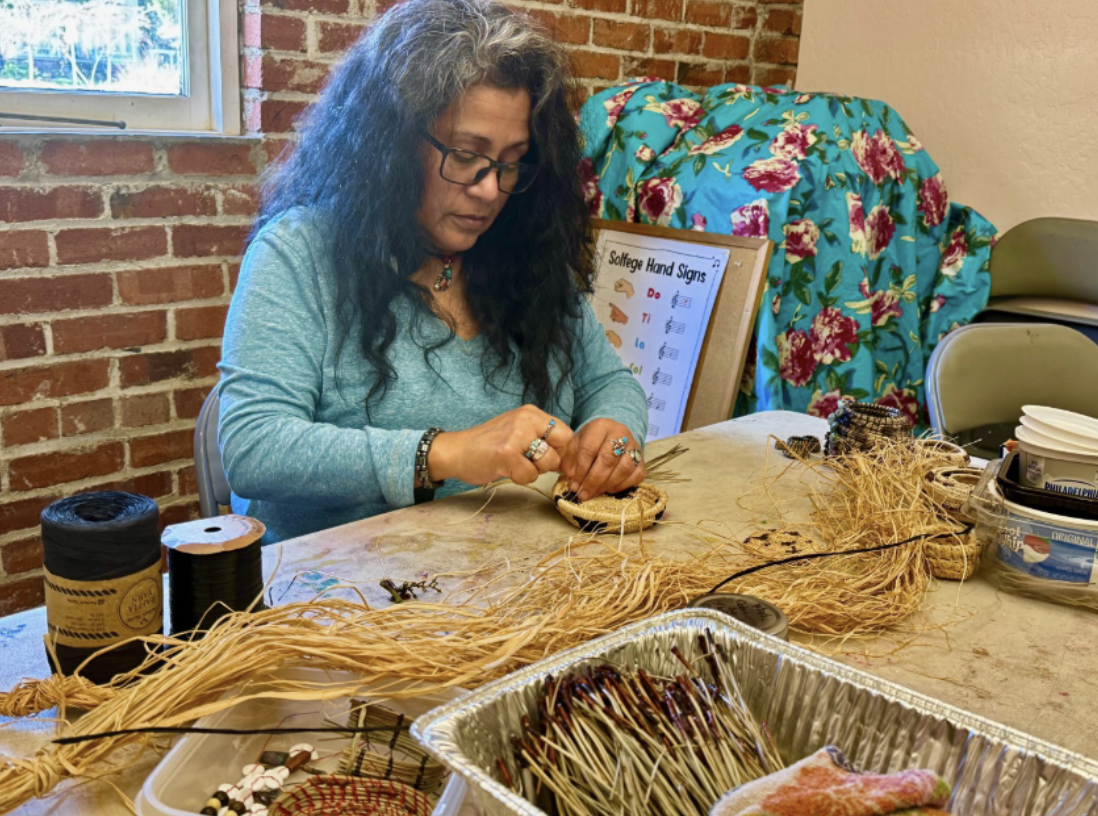
Buffie Campbell (she/her) is a Pomo cultural practitioner from Sherwood Valley Band of Pomo Indians, with roots in Sherwood Valley Rancheria in Willits, Noyo Reservation in Fort Bragg, and Yokayo Rancheria in Talmage. She first learned to weave cradle baskets at the age of 13 from her mother and cultural mentor, Christine Hamilton. Buffie's practice spans Pomo basket weaving (twine, coil, and cradle baskets), plant identification, wild food and medicine harvesting, regalia making, Pomo dance, abalone and beaded jewelry, native crafts, and Northern Pomo language. She has been teaching Northern Pomo Language at Ukiah High School since 2021, where she developed a four-level curriculum. She serves as Cultural Instructor for the Sherwood Valley Rancheria Tribal Youth Diversion Program and serves on Ukiah's SPACE Performing Arts Board of Directors, continuing a family legacy begun by her mother, a founding SPACE board member.
Buffie Campbell
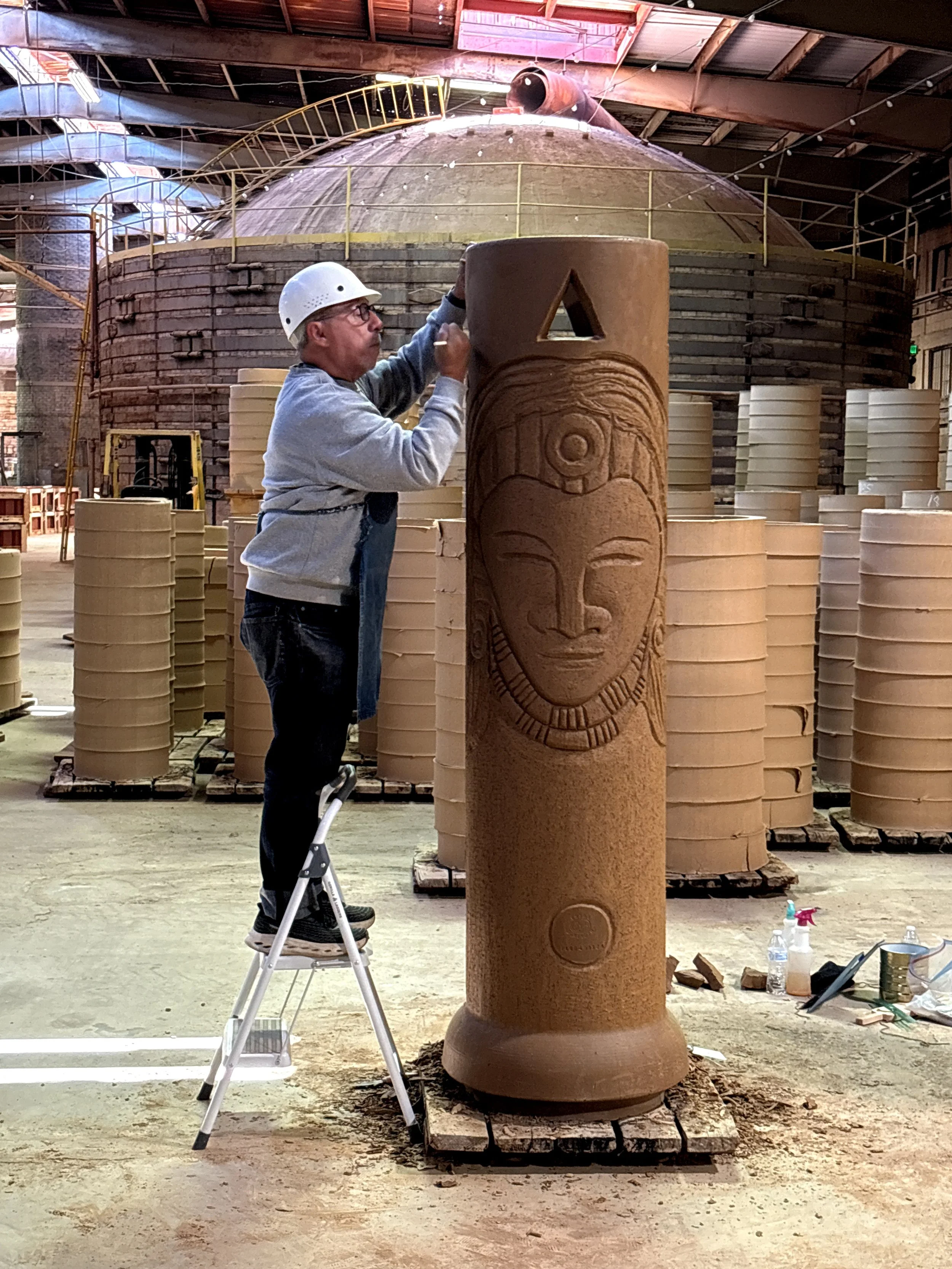
Ray Gonzales (he/him), an established Ceramic Artist, Community organizer and long-time Professor of Art at Sierra College was born in Auburn, California. His home and studio are located in Lincoln. He has exhibited widely and completed numerous Art-In-Public Places Commissions in Placer and Sacramento County, as well as several corporate commissions.
Community involvement includes being a founding member of several non-profit Arts Organizations, including Ocolotecame, an Aztec cultural & danza group. He has curated national and regional exhibitions. He initiated and chaired “Feats of Clay”, a National Ceramic Annual that began in 1988 and still runs. Previously on the Board of Directors of the National Council on Education for the Ceramic Arts, he is now active as a committee member of their Community Engagement Committee. Recent recognitions include being honored as an Icon in our region by the Arts Council of Placer County, Placer County Supervisors and the California State Legislature.
Raymond Gonzales